
A first date without an awkward silence.
Fluted London is a member of the British Watch and Clock Makers Association.
When time and I first met.
I used to imagine a very sensible version of my future. Study law, become a compliance officer and work at HSBC or one of the Big Four. Wear structured blazers, carry a laptop bag with quiet authority and say things like “I’ll revert shortly” without any irony. That was the plan, a stable, respectable and entirely free of the financial chaos that would eventually define my life.
And then one afternoon, walking past Harrods, everything changed because of a Breguet advert.
It wasn’t dramatic, there was no epiphany. Just a beautifully lit Breguet Classique staring at me with the serene confidence of a man who alphabetises his wine cellar. I paused and something in me, something that had been dutifully memorising case law whispered, “This is interesting…” and that whisper was the beginning of the end for my compliance‑officer ambitions.
Because once you notice a watch, you start noticing all of them. And once you start noticing all of them, you fall catastrophically into the world of vintage watches.
My first real plunge wasn’t even a Rolex. It was a Longines from 1943. A salmon dial so warm it looked sunlit even on grey days. A rare sandwich case that felt like a design secret, it was apparently made for the European market and the whole thing was in 18kt rose gold, which should have been my first warning that I was about to develop expensive taste. I adored that watch. It felt like holding a piece of 1940s elegance, something that had survived wars and decades of quiet existence, then because early collectors make questionable decisions, I sold it to an auction house in Notting Hill Gate. Don’t ask me why. I regret it to this day. It was the horological equivalent of breaking up with someone who did absolutely nothing wrong.
That Longines opened the door, but the Datejust walked through it.
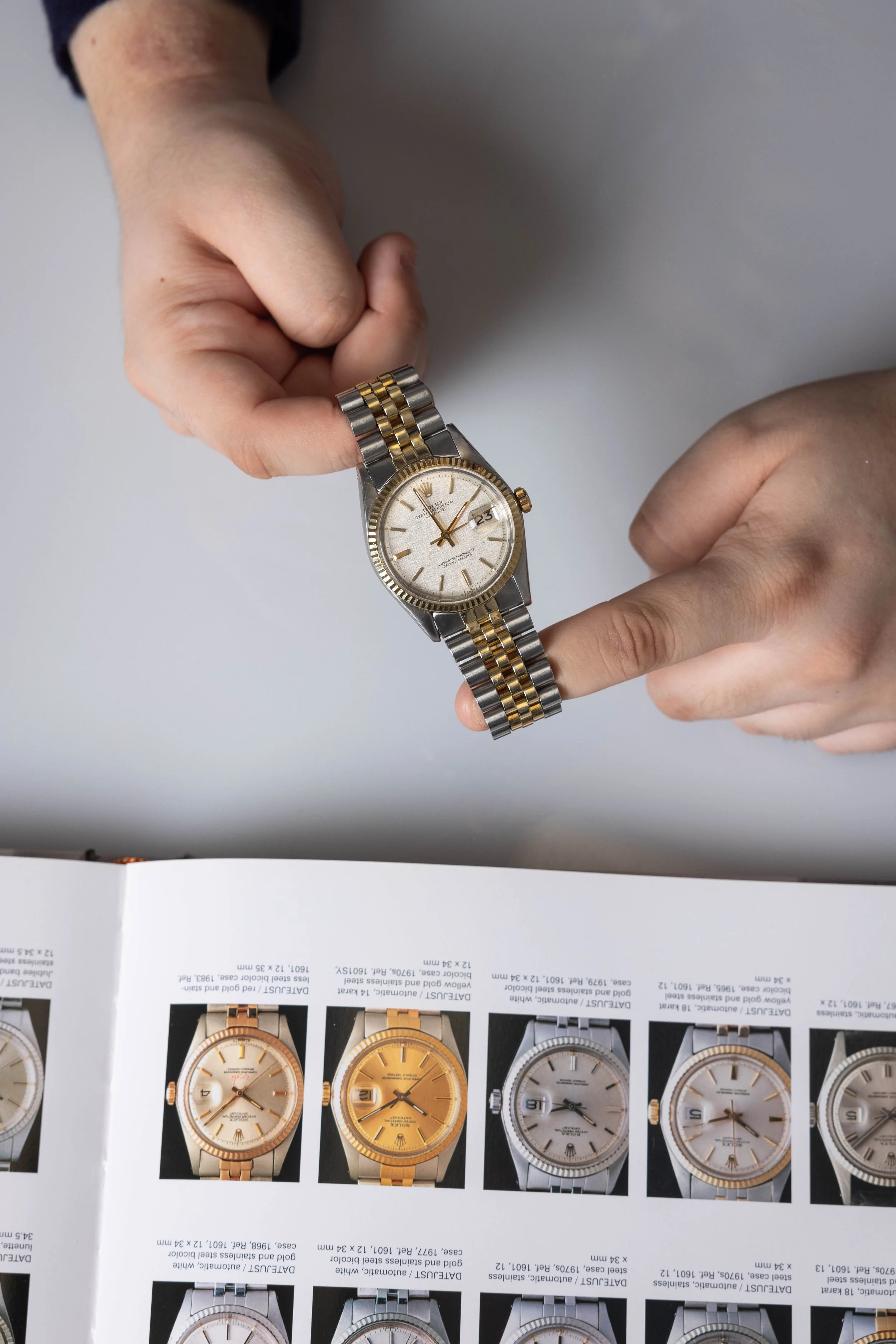
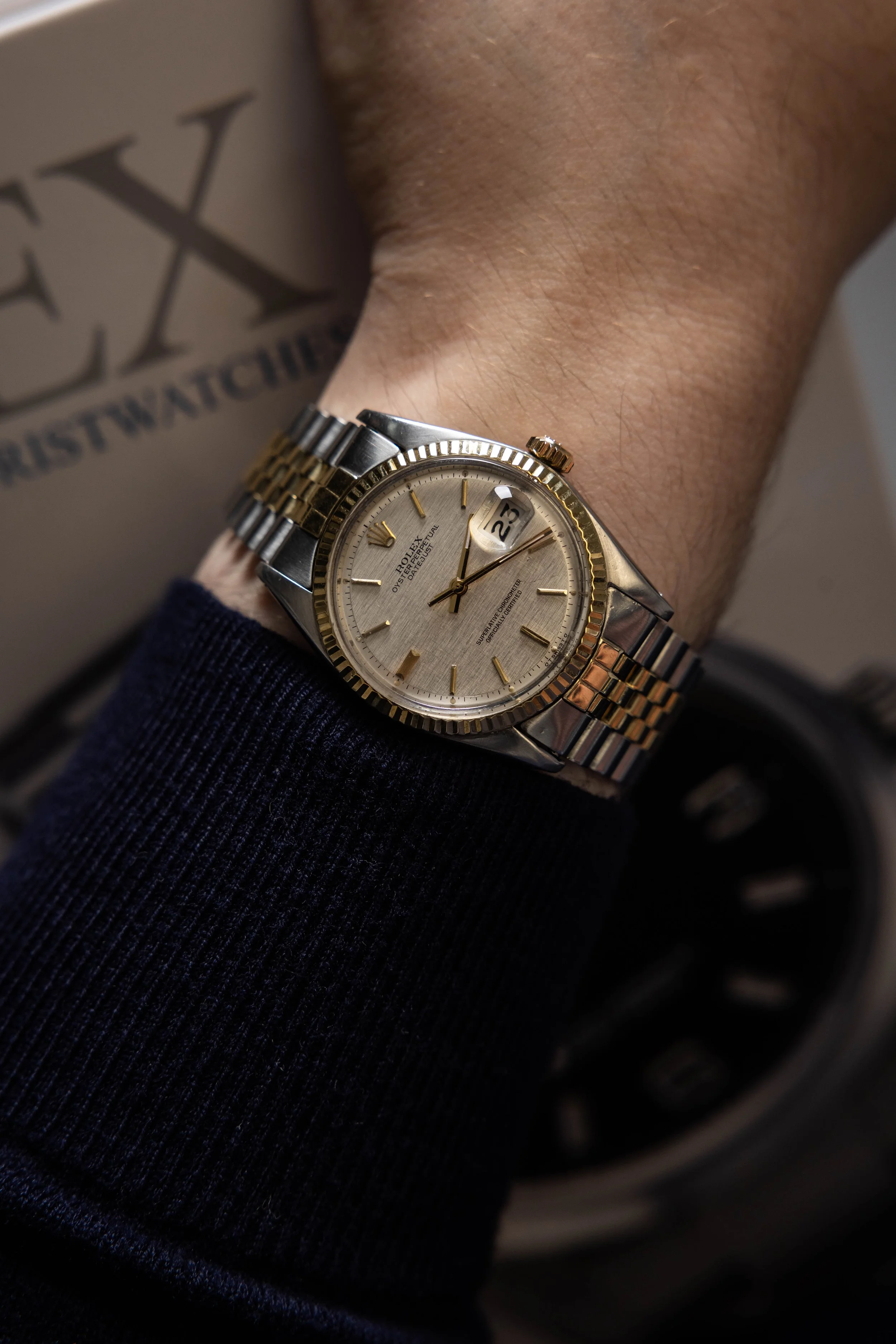
The first time I saw my Datejust—the one that would become the anchor of this entire journey, it didn’t feel like a lightning bolt. It felt like recognition. A quiet, steady “Oh. There you are.” A 36mm case with proportions that made me question every design decision humanity has made sense. A dial that felt like a first date without an awkward silence, where the conversation flows and you don’t have to pretend to like oysters.
I bought it. Obviously. I spent most of the money that I had earned from working overtime, but it was money well spent. I mean think about dinosaurs, they didn’t have a datejust and look what happened to them.
After a while, in true vintage‑collector fashion, I eventually let it go sold to James, a watch guy in Guernsey with an unparalleled work ethic. The kind of person who treats watches the way surgeons treat hearts. If I had to part with it, it had to be to someone like him. Still, watching it leave felt like sending a child off to a future you know is good for them, even if you’re not quite ready.
Somewhere in the middle of all this, a friend in Istanbul looked at me and said something that shifted everything. He told me, with the blunt confidence only Istanbul friends possess, that I knew more about watches than half the dealers he’d met and then he added, that there wasn’t a single hijabi, Muslim, young woman on earth selling vintage watches. “Why not you?” he said.
The truth was I didn’t want to. I preferred sitting on the other side of the table, the buyer, the observer, the one who got to fall in love without worrying about margins, clients, or logistics. Selling felt like stepping into a world I wasn’t sure I belonged in.
But then I realised something uncomfortable and strangely motivating about sixty percent of the people selling watches weren’t doing it properly. Not maliciously just sloppy. Poor descriptions and Inaccurate dates paired with underwhelming knowledge. A kind of casual carelessness that felt wrong for objects built to outlive us and once you see that I couldn’t unsee it.
I felt like I had to fix it. Not the whole industry just my corner of it. Just enough to prove that watches deserved better than the bare minimum. Most people out there sell watches, and there’s nothing wrong with that. I respect the hustle as long as it’s done properly. But I didn’t want to be another seller in the crowd. I wanted to flip the script entirely.
So, I chose a niche. A very specific, very deliberate niche. The Rolex Datejust. I preach about Rolexes all the time, but I must emphasise that watch collecting is a lifelong education. There is a very large repertoire of watches out there, like a massive tree with branches you should branch out and buy a watch that truly represents you. Craftsmanship and history are the true secret behind a great watch. Wearing a timepiece rooted in tradition can spark genuine social connection. The Rolex Datejust embodies this spirit, it is a watch that is meant to be kept, cherished and collected.
Not because it is trendy. Not because it is safe but because it was a marvellous creation one whose cultural and horological impact was practically irreversible like Richard Mille and FP Journe . A watch that shaped decades of aspiration and identity. A watch that didn’t just tell time but defined it. I wanted to put it on a pedestal and treat it with the reverence it deserved.
One day as stubborn and ambitious as this sounds, I want to be known for the Datejust the way Gordon Ramsay is known for a Beef Wellington.
What followed after was an education. I learned that patina is personality, not dirt. That Jubilee bracelets stretch because life happens. I learned that every seller insists their watch was “owned by a gentleman who barely wore it,” which is statistically impossible. I learned to trust my eye and what I appreciated because you cannot sell something that you don’t like. Through all of it, the Datejust remained the constant. The watch that made sense even when nothing else did.
Two years later, I can say this with certainty, the Rolex Datejust was my first real watch more importantly it was my first real conversation with myself. The first time I listened to the part of me that wanted to appreciate beauty, history and craftsmanship like the French and the Italians. I didn’t want a predictable life path where I would strap behind a desk crunching numbers all day, I wanted to be more. I hold tightly to the part of me that knows there is space in this industry for someone like me, even if no one has seen her yet and although my 1603 with the blue pie‑pan dial now lives in Guernsey with James, I know it’s continuing its story with someone who will honour it as fiercely as I did.
In the end, I just want to build something that matters. That’s why my podcast Fluted & Friends sits at the edge of my plans a small podcast where conversations with people like Emily Marsden and Cameron Barr from Craft & Tailored can unfold with real curiosity. I want it to do good, too. My grandad passed away two years ago after a long fight with diabetes and giving back in his name feels like the most honest use of whatever platform I build. And one day, I want to host a mini exhibition at the Kempinski in Istanbul, Bosphorus meets the Crown, a quiet celebration of the journey that brought me here and the one I’m still stubborn enough to chase.
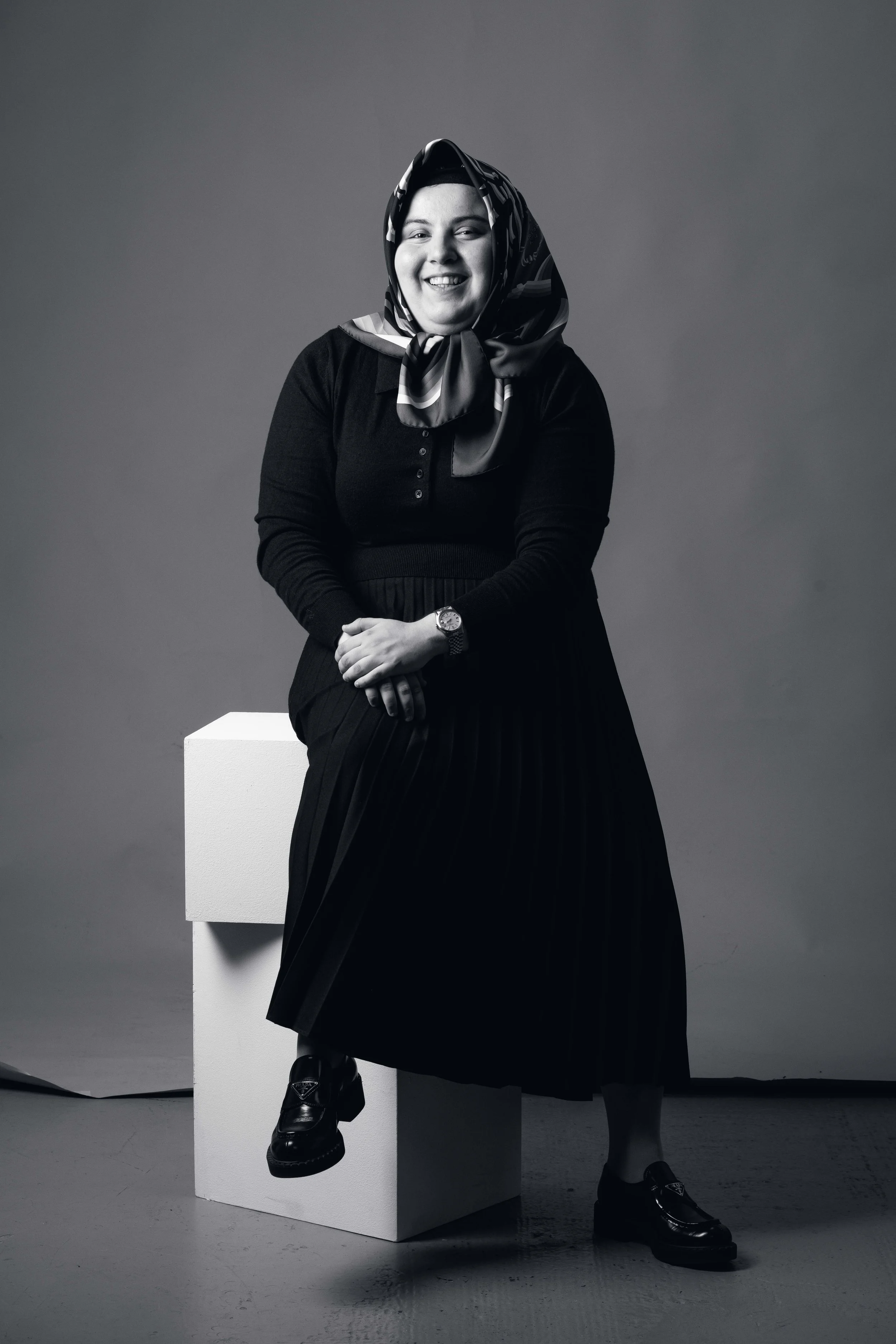
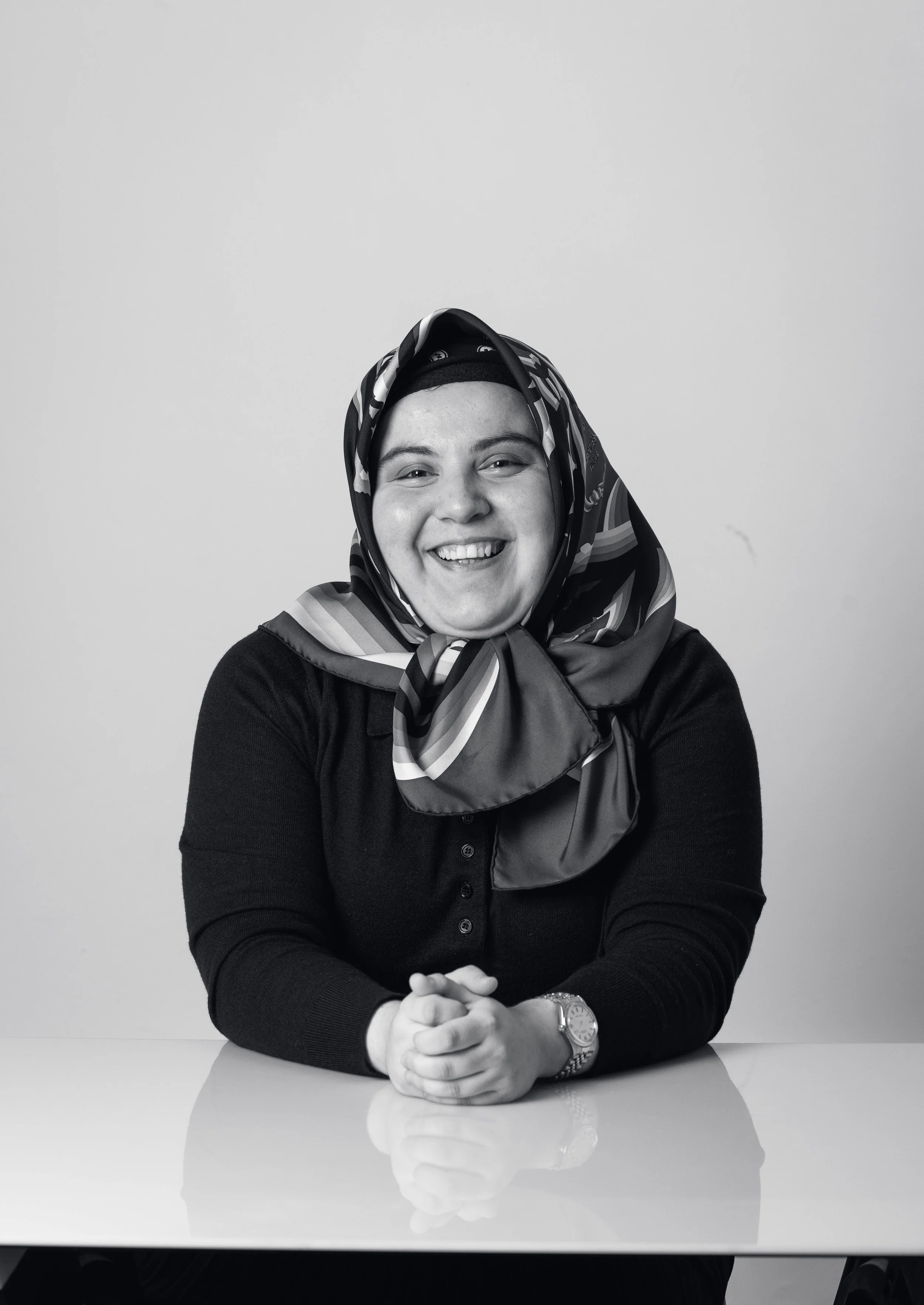
Tugce (too-chay) x
